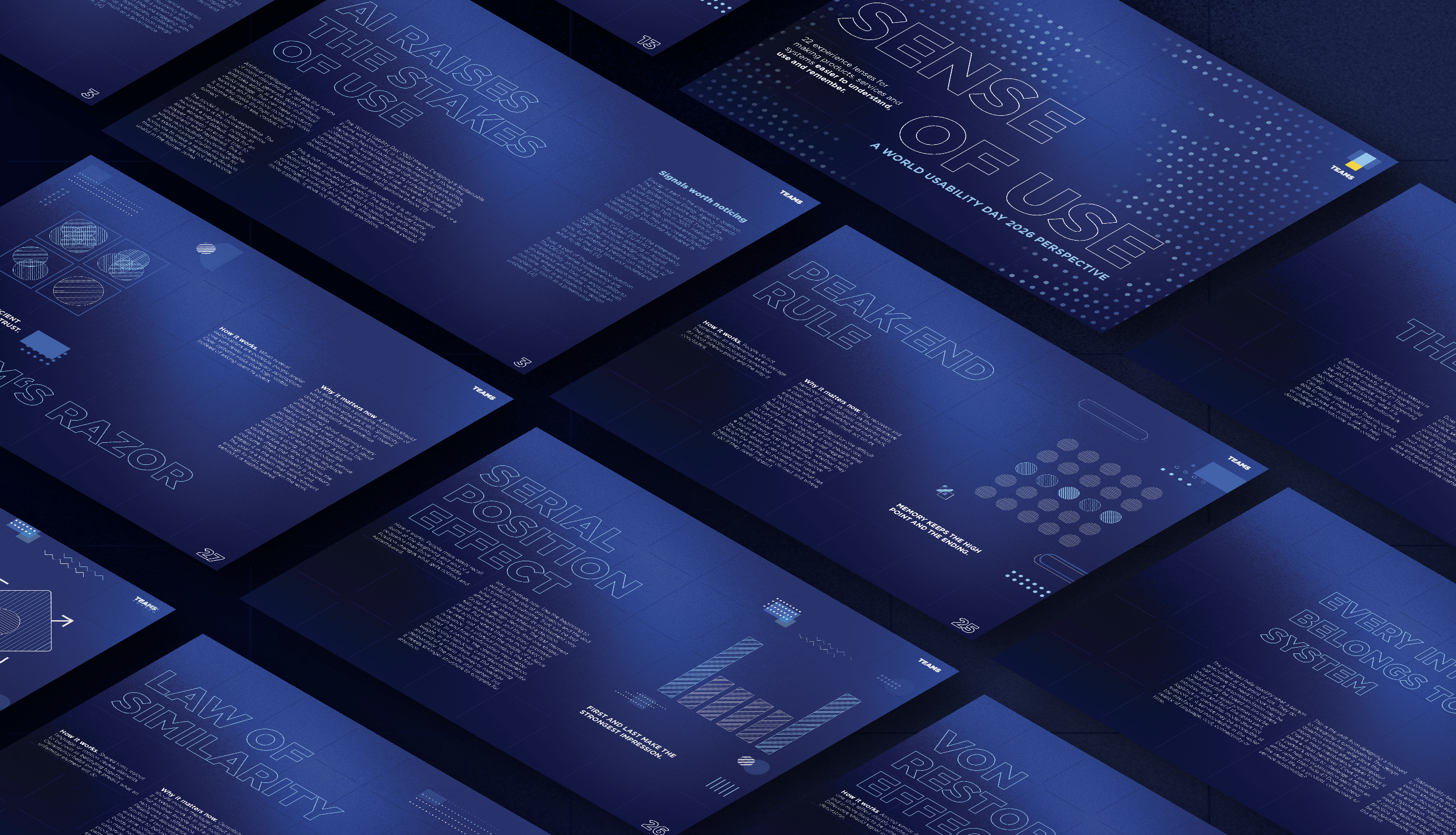
Products now interpret data, prioritize events and recommend actions behind the screen. Digital design determines whether people understand what is happening and remain in control.
Every day, we interact with products, services and systems that shape how we work, move, communicate and make decisions. The best experiences help us understand what is happening, feel confident in our choices and know what to do next.
Sense of Use brings together 22 experience lenses to explore how design can make these interactions easier to understand, use and remember.
From familiar patterns to intelligent systems, the report takes a closer look at the decisions that shape our experiences and their impact beyond the moment of use.
Ease is only the beginning.
We all know the feeling of using something that just makes sense. The next step is clear, the information is where we expect it, and we can focus on what we came to do.
But ease alone does not tell the whole story. A product can be simple to use and still leave us with important questions. What happened? Why was this option suggested? Can I change the outcome? What comes next?
A meaningful experience helps people feel informed, confident and in control. It considers different abilities, expectations and situations. And it looks at what happens before, during and after an interaction.
User Experience
at TEAMS
We uncover real user needs and translate them into clear and relevant product concepts. The result is a faster time to market, a lean development process, high user acceptance, and experiences that perform in the real world.
Twenty-two experience lenses
A different way to look at experience
Why do familiar things feel easier to use? What makes one detail stand out? And where does complexity go when an experience feels simple? The report explores questions like these through 22 experience lenses. Here are three to get you started.
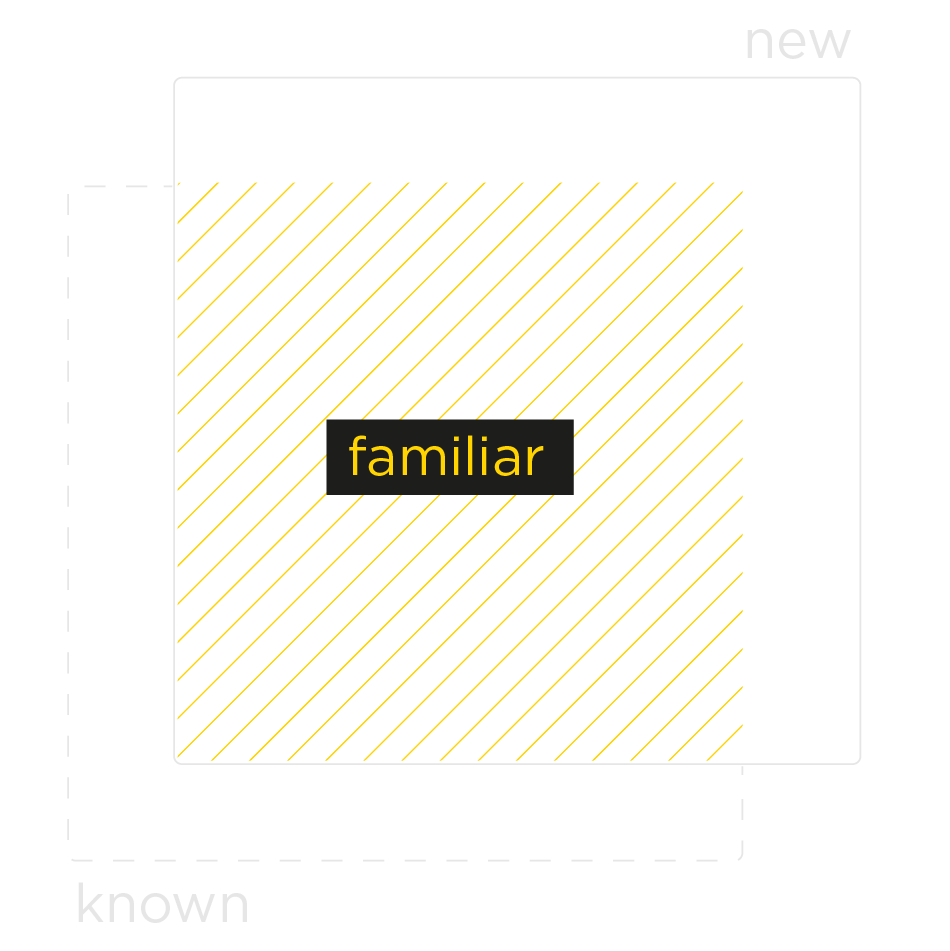
Familiarity helps us
find our way
Jakob’s Law
We bring expectations from the products and services we already know.
Familiar patterns can help us feel at home, even when an experience is new.

Difference catches
our attention
Von Restorff Effect
When something stands out, we are more likely to notice and remember it. The question is: are we drawing attention to what matters most?
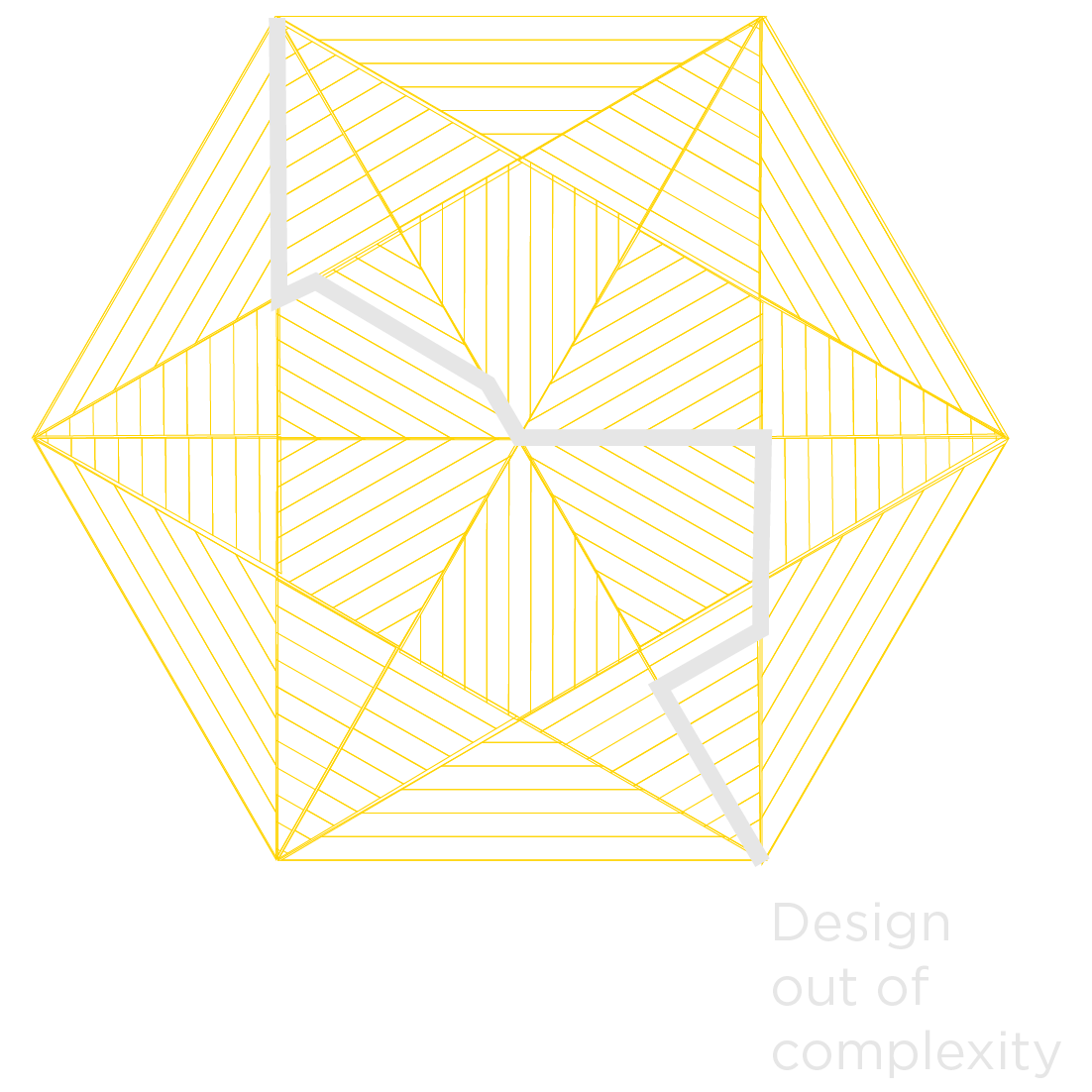
Simplicity has a hidden side
Tesler’s Law
Some complexity cannot be removed.
Design helps decide how much of it a person has to deal with.
The experience is bigger than the interaction.
A clear button or a helpful suggestion can make a single moment easier. But the experience does not end when that moment is over. It continues in the decisions people make, the support they receive and the systems around them.
Making intelligence understandable AI can help people find information, recognise patterns and complete tasks. It can also make it harder to see how a recommendation or result came about.
As intelligent systems become part of everyday experiences, people need to understand the role those systems play. They need to know when they can ask questions, correct an outcome or step in.
TEAMS AI-powered services
Our AI-powered services help organisations explore these opportunities and turn them into practical value.
We uncover real user needs and translate them into clear and relevant product concepts. The result is a faster time to market, a lean development process, high user acceptance, and experiences that perform in the real world.
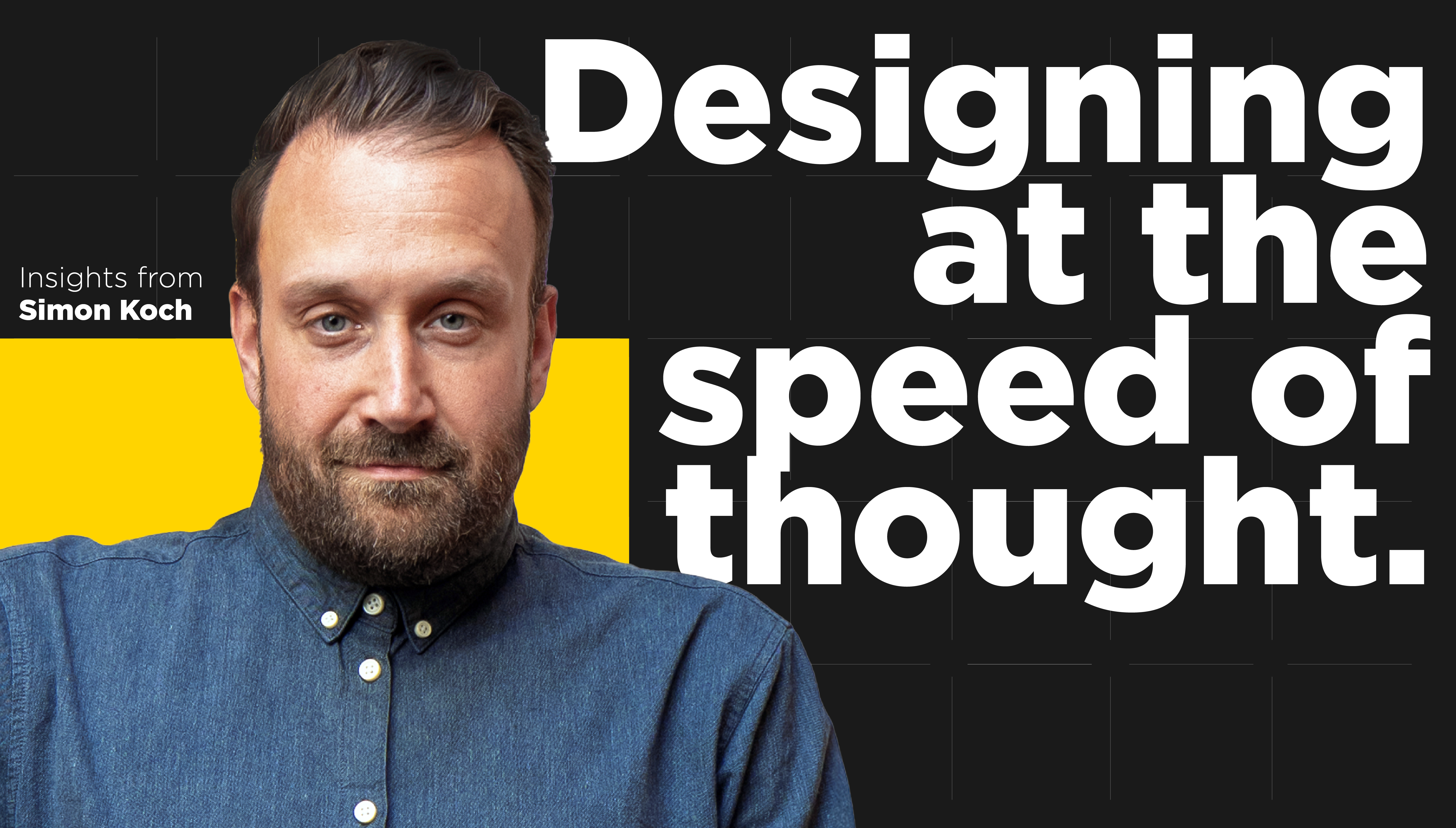
AI makes it possible to explore more ideas in less time. But what happens when creating options becomes faster than deciding between them? Simon Koch explores how design teams can use AI while keeping human judgement, creativity and understanding at the heart of the process.
Making better choices possible
A product that is easy to use today should also be considered over time. Can it be maintained? Can it be repaired? Is the next step clear when something no longer works?
Design can help make these choices easier to understand and act on. That means looking at the product, the service around it and what happens throughout its life.
Our sustainability work helps organisations consider these questions as part of the design process.
Circular Innovation
at TEAMS
We redesign products and systems for durability, repairability, reuse, and recyclability—without sacrificing performance or desirability. This lowers lifecycle cost and risk while unlocking new circular business opportunities.

Circular products need systems that people want to take part in. Together with Paul Stawenow and Thomas Ackermann, Gerhard Seizer explores how experience design can make circular choices more intuitive, rewarding and scalable.
Inside the report
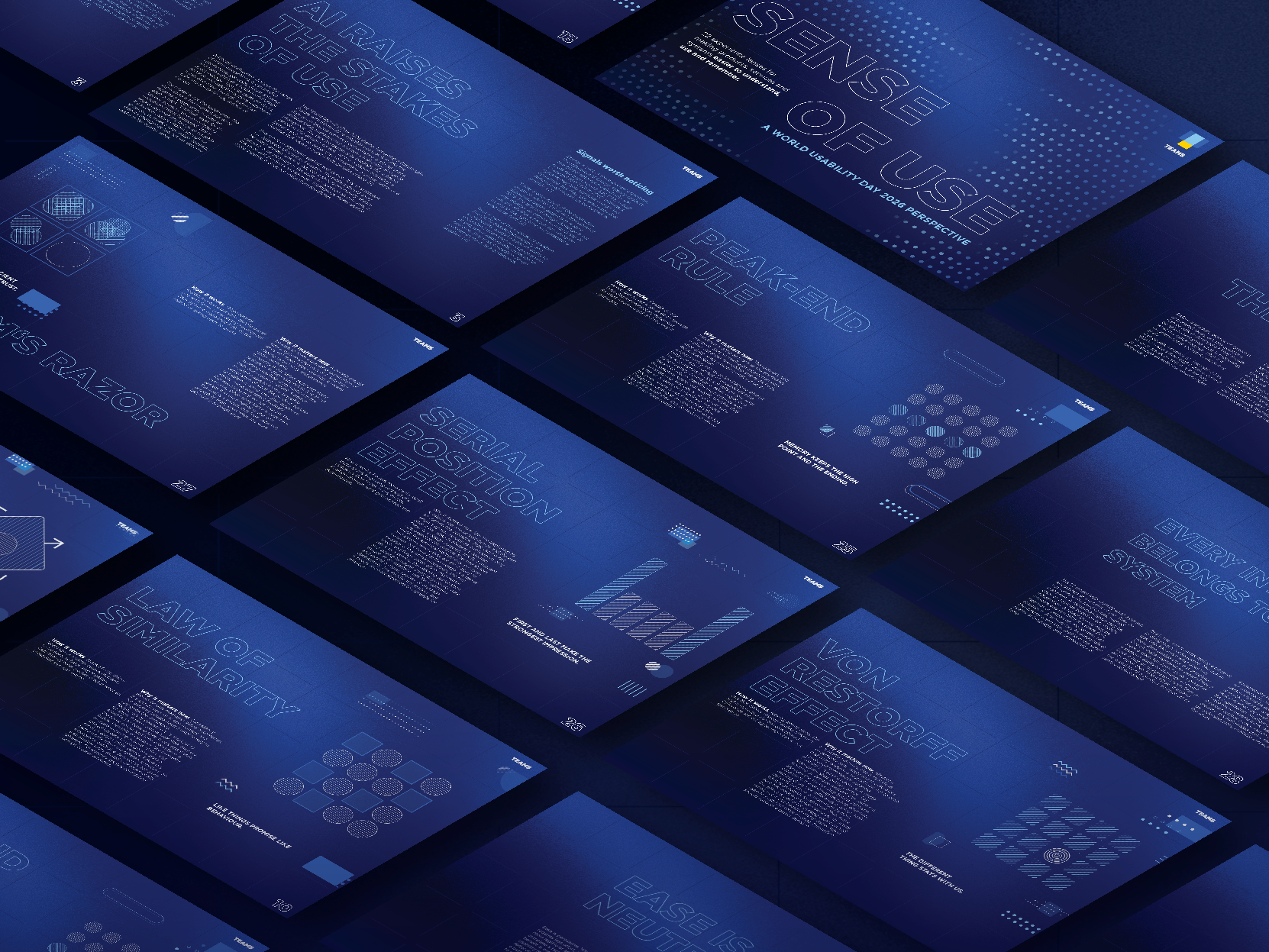
Sense of Use is an invitation to look at familiar design principles from a broader perspective. It brings together ideas that can help teams ask better questions about the experiences they create. Explore principles that influence how people find their way, make decisions and remember an experience. Each lens offers a short explanation of how it works and why it matters today.
A perspective on AI and sustainability
Discover why human judgement, transparency and long-term outcomes are part of the experience, and how design can connect these questions across products, services and systems.
The Use Test
Five questions offer a starting point for thinking about whether an experience helps people understand what is happening, take action and navigate real-world situations.
The details of an experience can shape how people feel, what they understand and what they do next. Looking at those details from different angles can reveal new opportunities to make everyday interactions more meaningful.
Explore all 22 experience lenses and discover the questions behind more understandable, thoughtful and lasting experiences. Download Sense of Use with the button below.
TEAMS Report
2026